Planning a Japan Wedding from Singapore or Malaysia: The Complete Timeline Guide
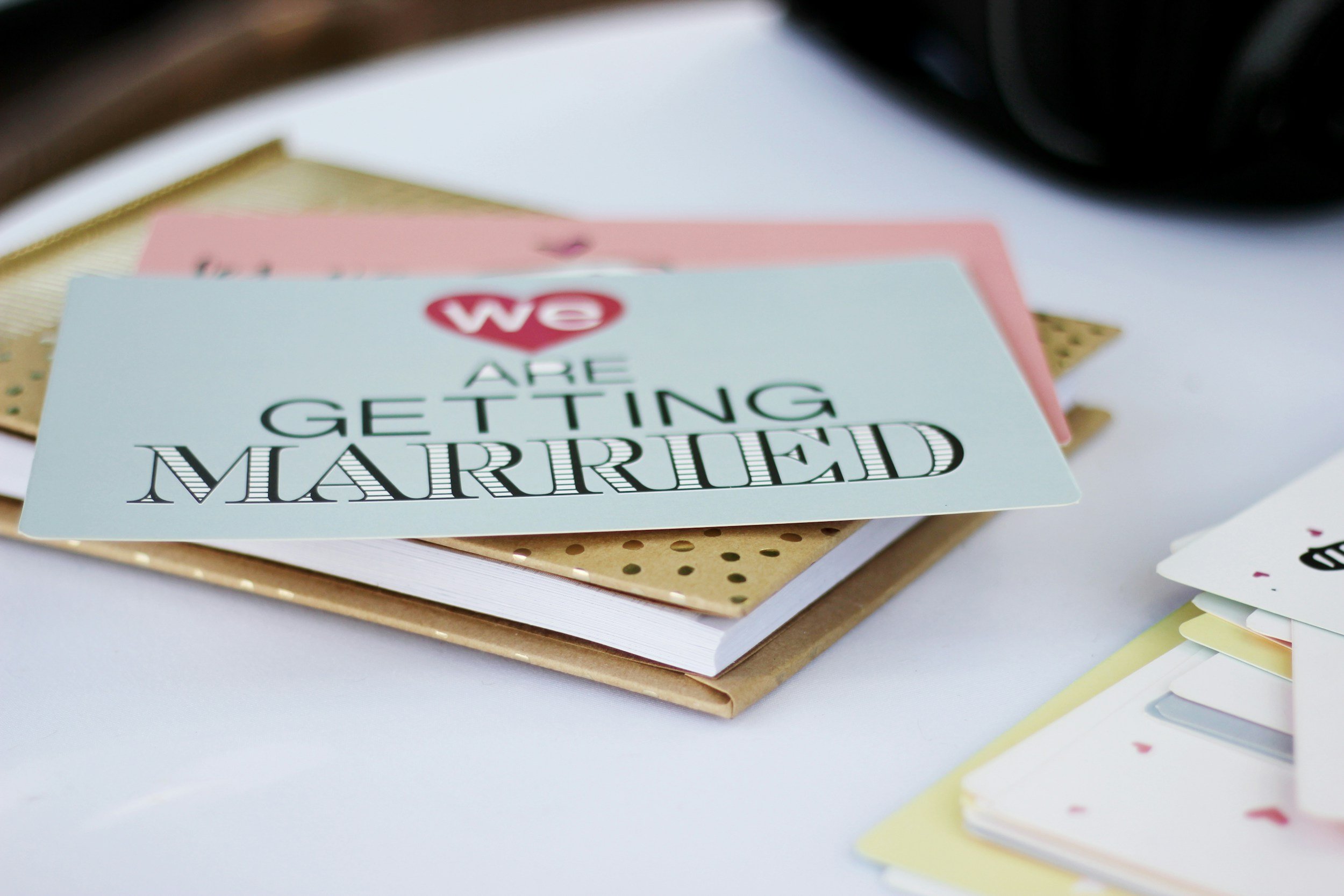
Planning a wedding in Japan from Singapore or Malaysia may seem overwhelming at first. When should you start? How far in advance should you book? What actually happens during the planning process?
The good news is that a Japan destination wedding is often far more manageable than couples expect — especially when guided by an experienced wedding team familiar with both Japanese venues and overseas couples’ needs.
This step-by-step timeline walks you through the entire process, from your first consultation to arriving in Japan for your wedding day.
Why Early Planning Matters
Unlike a local wedding, a Japan wedding involves coordinating venues, accommodation, photography, guest logistics, and vendors across different countries and languages.
Popular wedding chapels in Japan — especially during cherry blossom season (March to April) and autumn foliage season (October to November) — are often booked many months in advance. Some highly sought-after venues may fill up over a year ahead.
Starting early does not mean rushing decisions. It simply gives you more flexibility, better venue choices, and a smoother planning experience overall.
For most Singapore and Malaysia couples, we recommend beginning the planning process around 9 to 12 months before the wedding date.
9–12 Months Before: Define Your Wedding Vision
This is the stage to start exploring what kind of wedding experience you truly want.
Do you imagine:
A grand European-style chapel ceremony?
An intimate wedding with only close family?
A wedding combined with a Japan holiday?
A chapel ceremony followed by a refined banquet dinner?
Your guest count, budget, and preferred atmosphere will influence every decision that follows.
At this stage, it is important to speak with a wedding planner who specialises specifically in Japan weddings. Many Japanese venues primarily cater to local couples, so pricing structures, venue rules, and communication styles can differ significantly from what overseas couples are used to.
An experienced planner can immediately help you understand:
Which venues suit your budget
Which chapels match your preferred style
What is included in pricing
Which hidden costs to watch out for
Which venues are easiest for overseas guests
This stage alone can save couples countless hours of research.
7–9 Months Before: Secure the Venue and Wedding Date
Once you shortlist your preferred venues, availability checks should be done quickly — especially during peak seasons.
After confirming availability, couples typically:
Pay an initial deposit
Secure the wedding date
Sign the wedding planning agreement
Before committing, make sure you clearly understand:
What is included in the package
What items require additional top-ups
Venue restrictions and policies
Payment schedules and cancellation terms
Some Japan wedding venues have strict operational rules, such as:
Restrictions on external photographers
Copyright rules for music or videos
Specific gown or styling requirements
Having a planner manage these communications directly with the venue makes the process significantly smoother.
5–7 Months Before: Bringing the Wedding to Life
This is when the exciting details begin.
Your planner will guide you through:
Wedding gown and styling selection
Hair and makeup preferences
Ceremony flow and music
Banquet planning
Photography and videography arrangements
Guest accommodation recommendations
Transportation coordination
For overseas couples, logistics become especially important. Many couples from Singapore and Malaysia choose venues that integrate the chapel, banquet hall, and accommodation within the same property to minimise travel stress for guests.
This is also when guest communication usually begins, allowing family and friends enough time to arrange flights and accommodation.
2–3 Months Before: Final Confirmations
Around two months before the wedding, most major details should be finalised.
This includes:
Final guest count
Seating arrangements
Dietary requirements
Ceremony timeline
Hair and makeup schedule
Transport arrangements
Photography shot lists
Your planner will also conduct final coordination directly with the Japanese venue team to ensure everything is aligned before arrival.
At this stage, many couples also prepare a simple guest information guide covering:
Travel details
Dress code
Wedding day schedule
Weather expectations
Small details like these greatly improve the guest experience.
1–2 Weeks Before: Prepare for Departure
As the wedding approaches, the focus shifts to travel preparation.
Before flying to Japan:
Confirm flights and hotel bookings
Prepare travel insurance
Pack wedding attire and accessories
Double-check required documents
Brief guests on meeting points and schedules
Most importantly, this is the stage to slow down and enjoy the anticipation. By this point, the heavy planning work should already be done.
Wedding Day: Simply Enjoy the Moment
On the wedding day itself, your planner manages the coordination on the ground with the venue team, makeup artists, photographers, banquet staff, and guest logistics.
Instead of worrying about timing and operations, couples can fully focus on the experience itself — walking down the aisle, celebrating with loved ones, and creating memories together.
This is often what couples appreciate most about Japan weddings: the feeling that everything has been thoughtfully and professionally taken care of.
Why More Singapore and Malaysia Couples Are Choosing Japan
For many Southeast Asian couples, Japan offers something increasingly difficult to find locally:
Beautiful European-style chapels
High-quality banquet experiences
Transparent pricing structures
Exceptional hospitality
Efficient wedding coordination
A wedding experience combined with travel and family memories
Rather than feeling like a stressful production, a Japan wedding often feels calmer, more intimate, and more meaningful.
JP Wedding now supports couples across Singapore and Malaysia with a dedicated Singapore-based team, providing personalised assistance from the first consultation all the way to the wedding day in Japan.
If you are considering a wedding in Japan, we would be delighted to help you explore what is possible within your preferred style and budget.