Pitfalls in Japanese Weddings: What Overseas Couples Often Overlook
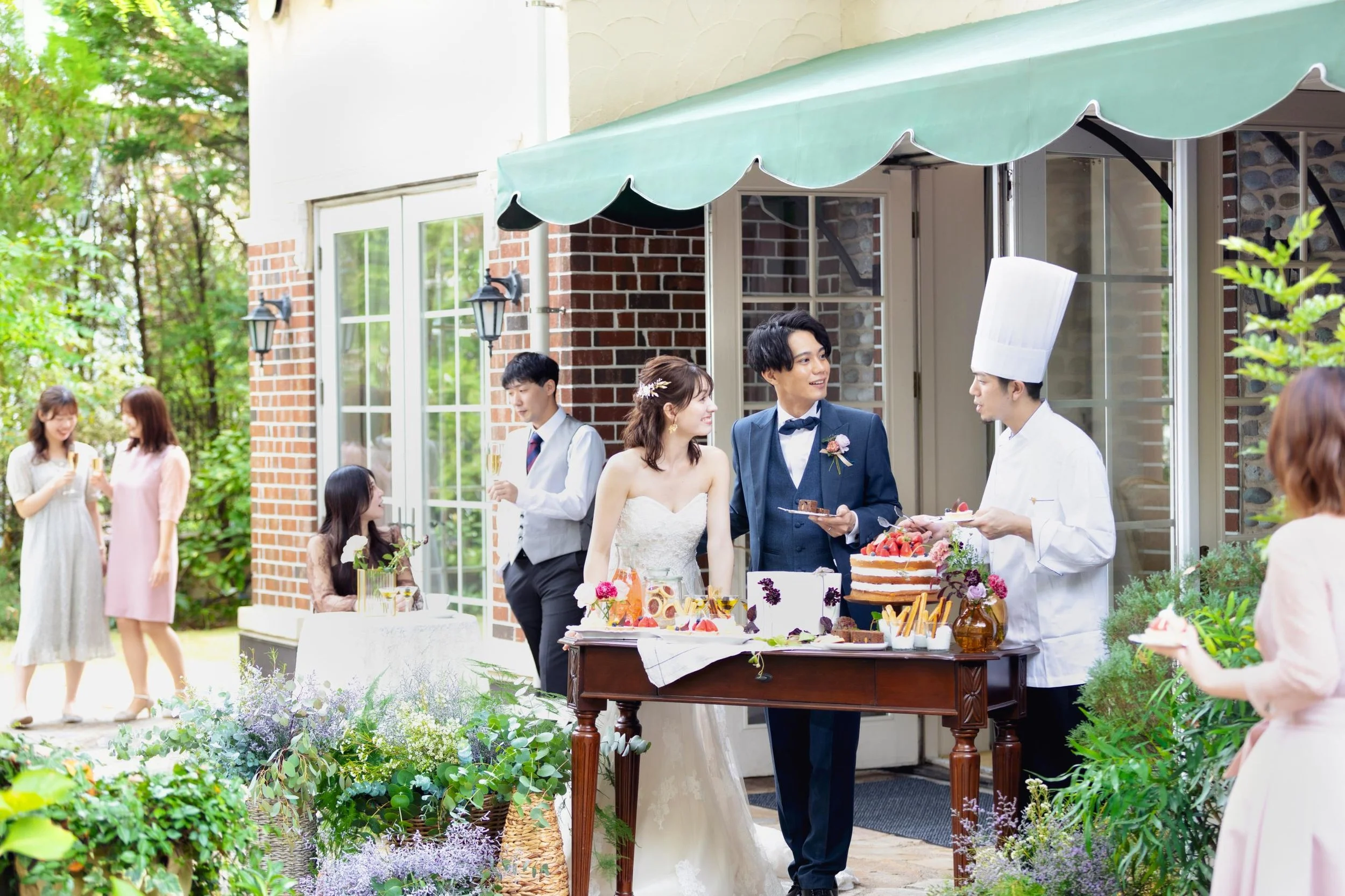
For many couples, a wedding in Japan feels dreamy and romantic. Yet it’s surprisingly common to hear, “We thought we had the budget under control… but somehow we still overspent.”
The issue isn’t that Japanese weddings are inherently expensive — it’s that pricing and arrangements are often opaque and inflexible.
1. Contacting Japanese Venues Directly: More Hidden Charges Than Expected
Many couples reach out to chapels or venues in Japan themselves, hoping to save money. In reality, cultural and procedural differences often lead to unexpected add-on costs.
Venue quotations are designed for local Japanese couples, which means many elements that overseas brides and grooms assume are included are actually charged separately —
sound system, screen use, outfit changes, taking gowns off-site, steaming and garment prep, flower petals, mandatory fresh flower arrangements, drink menus, hair accessories, and more. Flexible support such as an emcee is also rarely available.
One bride shared that she had to coordinate guests’ allergy requirements on her own, after being told that liaising with the venue on dietary arrangements was not part of the standard banquet plan. The result? More time, more stress.
2. Through Wedding Companies or Travel Agencies: A Low Base Price Doesn’t Mean the Final Price
Another common trap lies in relying on wedding companies or travel agencies.
Their “basic packages” appear affordable, but couples often realise much later that everything they truly want. A beautiful gown, photography, upgraded styling, live interpretation — all requires additional payment.
Photography is especially restrictive. Many companies insist on using local Japanese-speaking photographers. Requesting a Cantonese- or English-speaking photographer to create a more relaxed, lively atmosphere is almost impossible.
One bride recalled that she couldn’t communicate with her make-up artist at all. Without someone who understood her language or style preferences, the final look was nothing like what she had imagined, and there was no time for a re-shoot. These are the details that couples only discover after signing.
3. Low Flexibility Among Japanese Wedding Providers
Japan is known for precision and order — but this often translates into limited flexibility.
Unless you have a long-standing relationship with the venue, last-minute adjustments to the programme or content are rarely accepted.
Many chapels prohibit external photographers and require couples to use only their in-house team. Some banquet venues restrict video clips containing copyrighted music.
Without someone to flag these rules in advance, couples may be caught off guard, affecting both the planning and the wedding-day experience.
4. How to Avoid These Traps?
The key is simple: choose a team that understands Japanese culture and the expectations of overseas couples, with full transparency on every cost involved.
Clear quotations, multilingual support (Chinese, English, Japanese) and an all-in-one service help couples stay in control of their budget while avoiding stressful surprises.
JP Wedding offers fully inclusive packages with all essential items and dedicated support — no sudden add-on charges.
Our partner chapels all provide on-site banquet venues for seamless movement, and each venue hosts only one couple per day, ensuring a calm, intimate, and truly exclusive celebration.
A Japanese wedding should not be defined by stress or unexpected expenses.
With the right team — transparent pricing, clear communication and thoughtful support — every detail can unfold exactly as you imagined, creating a celebration that is genuinely your own.